Ninety Minutes, Choreographed: Following One Table Through a Jay's Evening
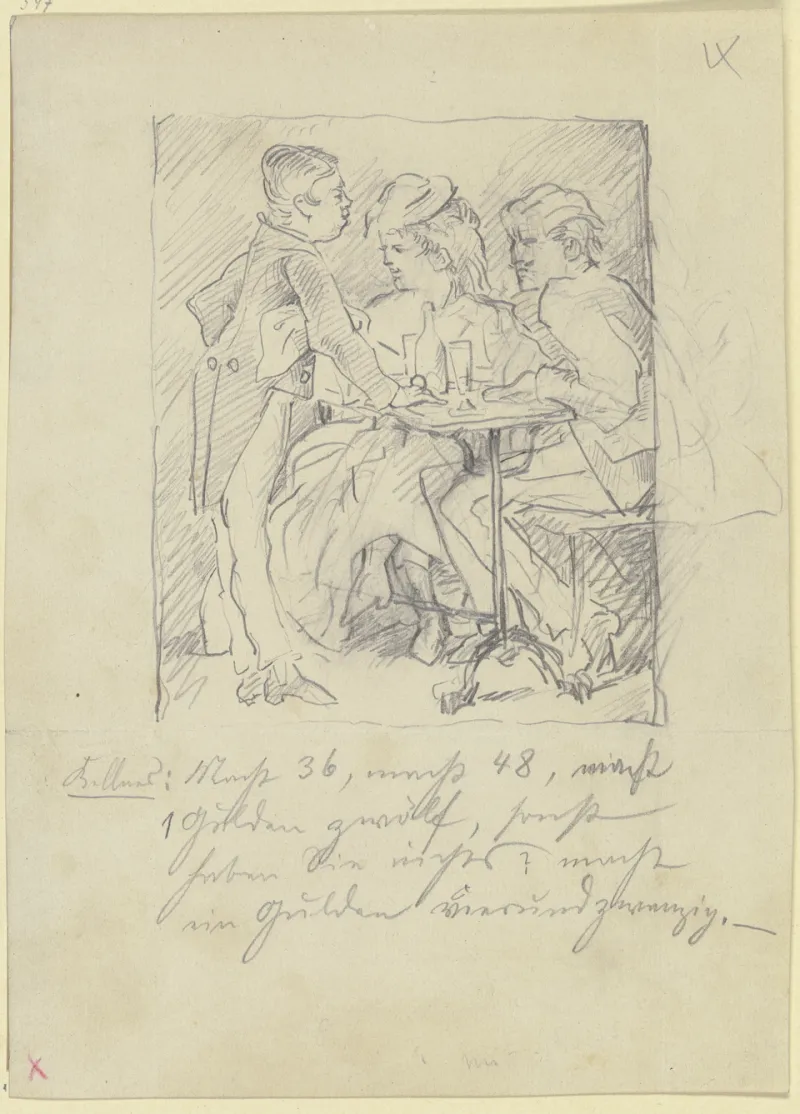
Photo: Wilhelm Trübner, PDM-owner, via Wikimedia Commons
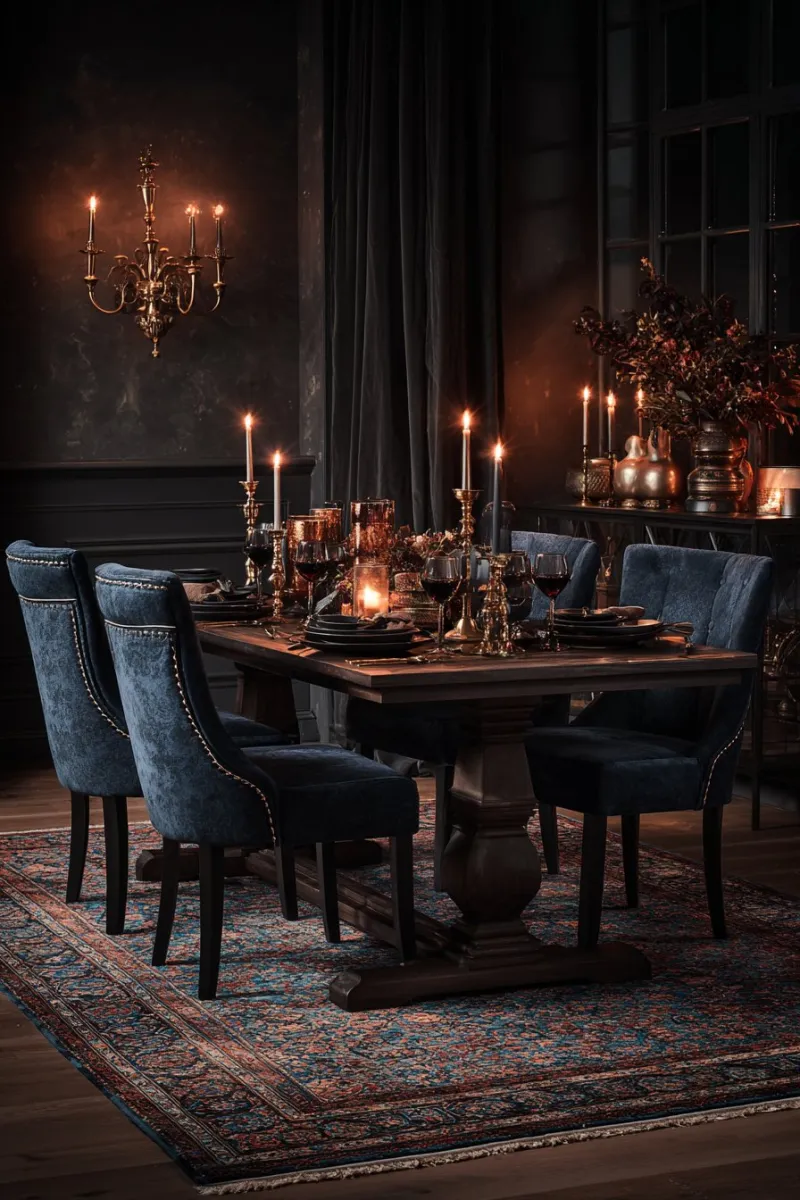
At 6:42 on a Tuesday evening, a couple is seated at table 14. They will remember the evening as 'lovely'—a word that obscures everything that made it so. What follows is what actually happened, reconstructed from the notes of the floor team, the kitchen rail, and the standards manual that governs it all.
The First Sixty Seconds
The greeting at the host stand is scripted only in its principles: eye contact within ten seconds of entry, a warm welcome by name when the reservation permits it, and no guest ever walking unaccompanied to a table wondering if they are in the right place. Table 14's guests arrive four minutes early—a small victory of pacing the host had anticipated and built into the seat rotation.
The first server contact happens within ninety seconds of seating. Not an interrogation about drinks, but an offer of water and a moment to settle. The standards manual calls this 'the exhale window': the breath a guest takes between the door and the meal.
Reading the Table
The couple lingers over the menu—longer than average. Their server, trained to distinguish deliberation from confusion, approaches with one sentence: a nudge toward the evening's strongest dishes rather than a recitation of the list. The woman asks about the scallop preparation; the answer includes the sourcing, briefly, without the lecture. Both order the tasting progression. The sommelier is signaled with a glance.
This is the invisible layer of service: servers at Jay's are trained in 'table reading'—posture, pacing of conversation, whether the water glasses are being drained or ignored. Every observation adjusts the plan. A couple deep in animated talk receives slower courses. A table glancing at watches receives brisker ones.
The Rhythm of the Kitchen
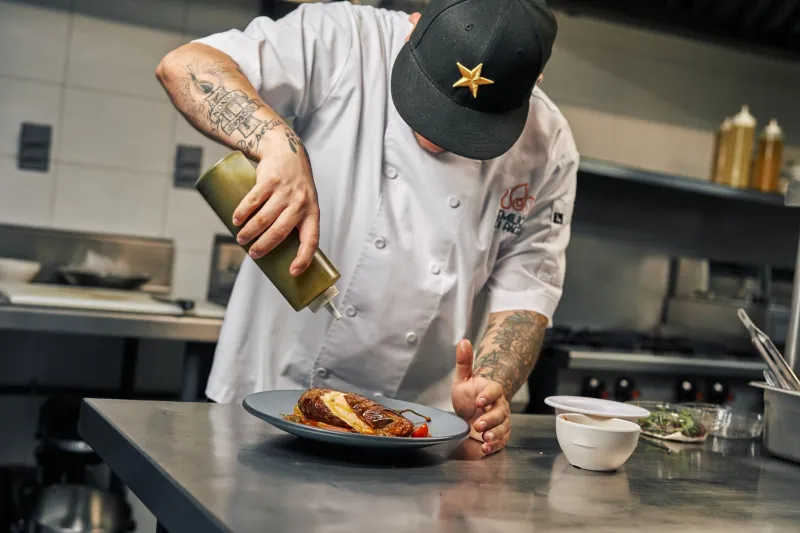
Behind the scenes, the expediter is tracking table 14 alongside every other ticket in the room. The gap between courses is calibrated—long enough for conversation to resume, short enough that hunger never returns. When the couple's conversation visibly deepens after the second course, the kitchen holds the third by three minutes. Nobody will ever know. That is the point.
The Farewell as Final Course
At 8:55, dessert arrives with no ceremony beyond a candle the guests did not request but the reservation notes said they might appreciate. The check is presented only when asked—never dropped preemptively, a standard enforced across the group. And the goodbye is a genuine one: the host thanks them by name, and the server's farewell mentions a detail from the meal, proving the evening was attended, not merely executed.
Why the Choreography Stays Hidden
The training rituals behind this evening—weekly service rehearsals, menu briefings, role-playing the difficult tables—are designed to produce an effect guests describe as 'effortless.' But effortlessness is not the absence of effort; it is effort so thoroughly rehearsed it disappears. Table 14 will return in a few weeks and book table 14 again, though they will not know why they asked for it. The choreography knows. That is enough.