Milestones, Mapped: Choosing the Right Jay's Room for the Moments That Matter
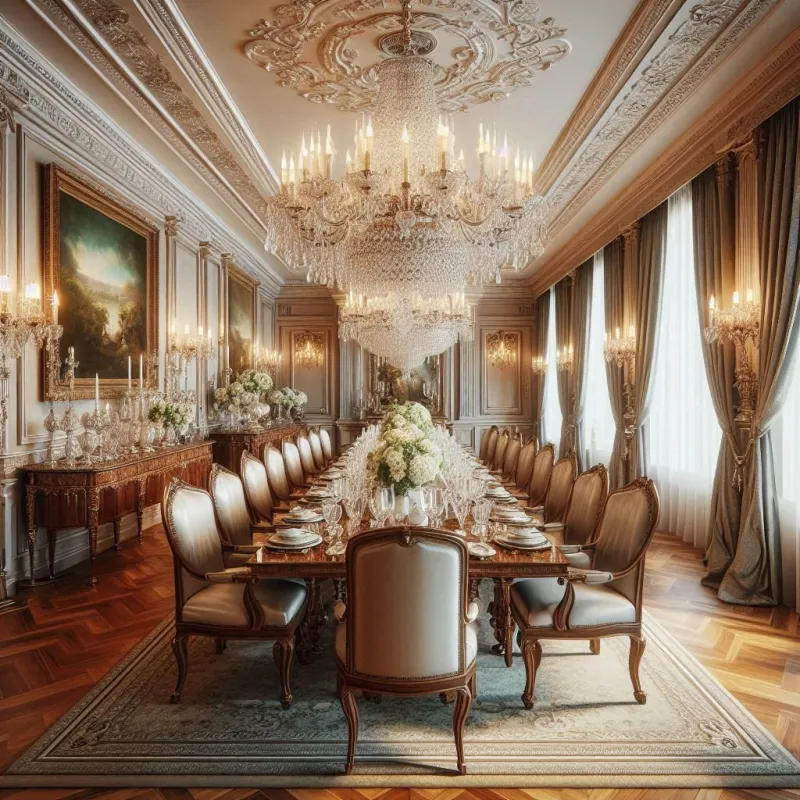
Photo: elegant private dining room restaurant celebration table setting, via images.squarespace-cdn.com
A first anniversary is not a closing dinner. A retirement toast is not a first date. Yet too often, guests book the same restaurant for every milestone and wonder why the evening felt slightly off—beautiful, certainly, but not quite matched to the moment. At Jay's Restaurant Group, we design our concepts as distinct instruments, each tuned to a different register of American life. Choosing well is the first act of hospitality, and it belongs to the guest.
Reading the Occasion Before Reading the Menu
Begin with an honest question: what does the evening need to accomplish? A proposal requires intimacy and a staff capable of discretion. A business dinner requires acoustics that protect conversation and a room where neither party feels rushed. A multi-generational reunion requires flexibility—high chairs, varied palates, a table that can absorb both a toddler's impatience and a grandfather's long story.
Our flagship dining rooms, with their white-tablecloth formality and cellar-depth wine lists, are built for gravitas: anniversaries, milestone birthdays, the deal you have spent two years courting. Our more casual concepts—lively, open-kitchen rooms where the energy is part of the meal—suit celebrations that should feel communal rather than ceremonial. And for gatherings of eight or more, private dining changes the arithmetic entirely.
The Case for Private Dining
Guests often assume private rooms are reserved for corporate functions or weddings of two hundred. In practice, they are most valuable for the middle-sized moments: a sixtieth birthday, a rehearsal dinner for fifteen, a family visiting from three states at once. A private room removes the ambient self-consciousness of public celebration—no lowering your voice during the toast, no competing with a nearby table's own party.
When booking, brief the events team on three things: the tone you want (festive or formal), any dietary considerations across the group, and whether you would like the staff to mark the occasion at the table. A well-briefed team can do a great deal quietly; an unbriefed one can only do its best.
Budget Expectations, Stated Plainly
Clarity here is a courtesy. Across our concepts, à la carte dinners typically run from accessible bistro pricing at our neighborhood rooms to tasting-menu territory at the flagship—expect a meaningful spread between them, and plan for beverage pairings to roughly double a per-person figure if that is part of the plan. If a budget matters, say so when reserving. A capable sommelier or events manager can build a memorable evening within nearly any number; what they cannot repair is a guest surprised by the check.
Briefing the Staff: The Five-Minute Investment
The difference between a good celebration and an effortless one is usually a five-minute conversation at booking. Tell the host stand:
- The occasion. Not for fanfare necessarily, but for pacing. A proposal dinner should never have courses arriving at the wrong second.
- The constraints. Timing, mobility needs, a guest who is avoiding gluten, a friend who is the world's pickiest diner and will deny it.
- The one thing that matters most. Every celebration has one. The toast, the dessert, the seat placement. Name it, and the room will organize itself around it.
A Short Field Guide
For the first date, choose a room with energy but not volume—somewhere conversation survives and silence is not glaring. For the tenth anniversary, the flagship, a table booked well in advance, and a note to the sommelier about what you drank on your wedding night. For the business dinner, a corner table with sightlines, brisk pacing, and a server who reads the room's signals about when to appear and when to vanish. For the family reunion, our casual concepts or a private room, a pre-selected menu, and a long table.
Every milestone deserves a room that understands it. That understanding begins with the reservation—and it is the easiest part of the evening to get right.